I Budgeted $160 for a New Toilet. It Cost $250, Here's Why
The tools, the wax-ring failure, the seized shutoff valve, and what a dual-flush swap cost me on a first attempt.
TL;DR
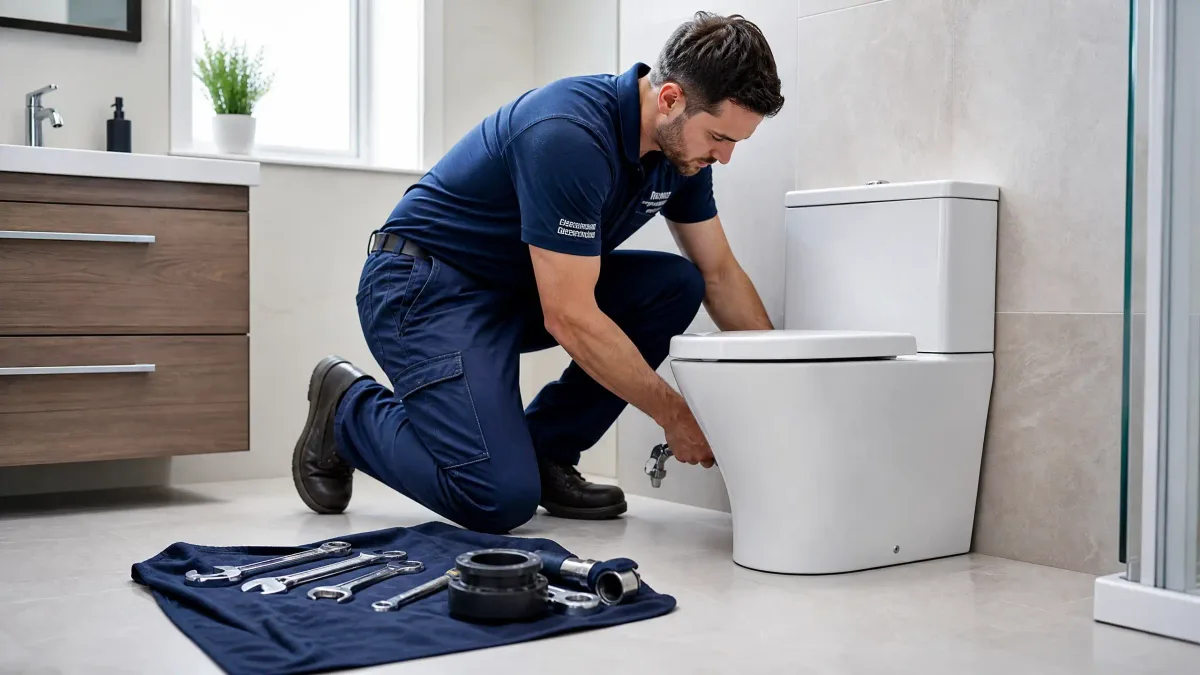
Swapping a toilet is a half-day job if the flange and shutoff valve cooperate. I swapped a 20-year-old unit for a Glacier Bay dual-flush model (about $160) and spent roughly $90 more on a wax ring, a corroded shutoff valve, and a braided supply line. Total out-of-pocket was around $250 and the work took about 4 hours plus a second 30-minute trip for the frozen valve. The real lesson: assume the shutoff valve is seized until proven otherwise, and buy a wax-free rubber seal instead of a wax ring.
Our upstairs toilet was original to the house — about 20 years old — and had developed a constant trickle that no flapper swap fixed. I decided to replace it rather than keep chasing leaks. I had never done this before, and the store’s “$160, installed in an hour” tag on the display model was the first thing that turned out to be wrong. It took one Saturday, a second trip to the store, one small puddle on the bathroom floor, and about ninety dollars the tag never mentioned.
What I bought
- Toilet: Glacier Bay 2-piece dual-flush, $160. Two-piece is heavier to lift but easier to set the tank without cross-threading the bolts.
- Wax-free rubber seal: $12, instead of the wax ring the store suggested.
- Braided stainless supply line: $9, because the old one was stiff and bulging.
- Shutoff valve: $8 — I had not planned on this, but the original would not turn.
Total: about $250 with tax. The store’s “$160 installed-ready” tag ignored every one of those extras.
Step 1 — Shut off the water (and learn the valve is frozen)
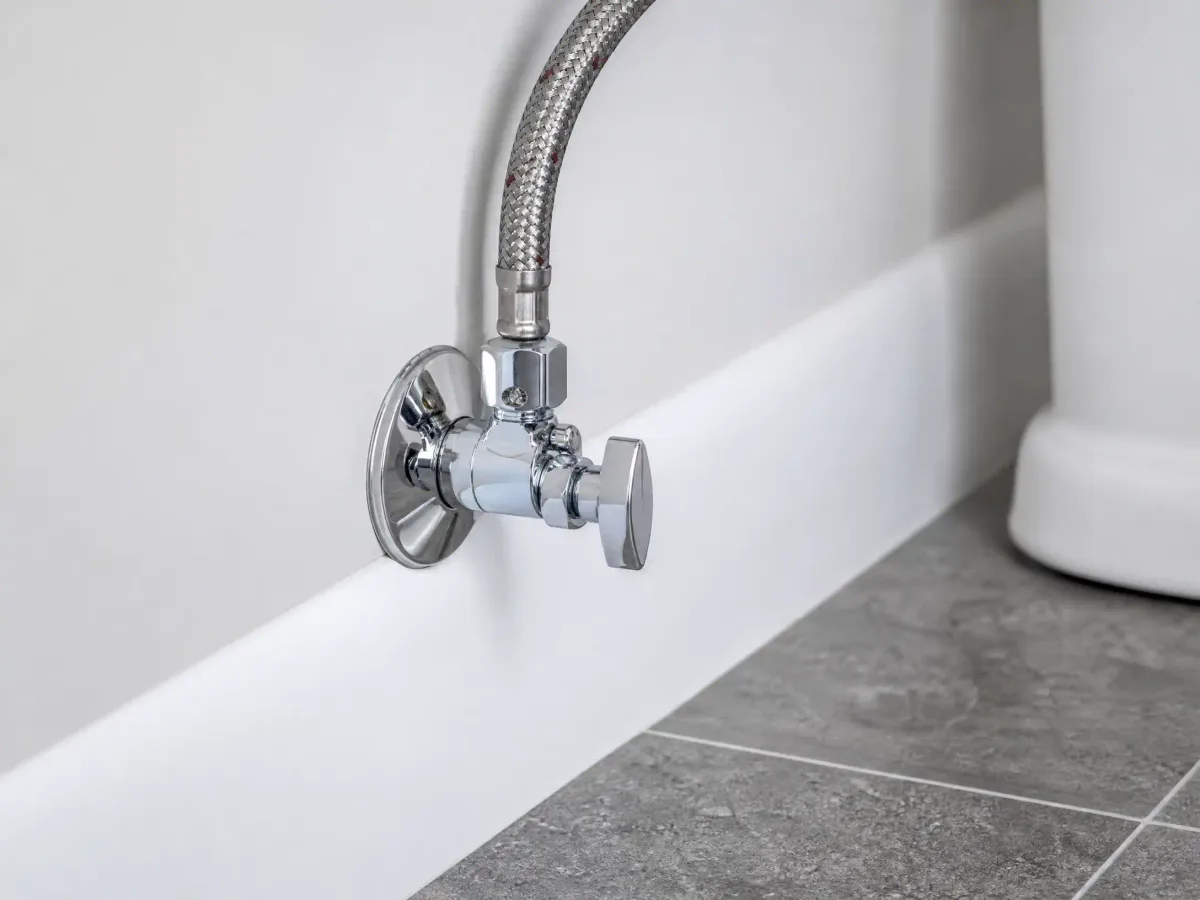
I turned the supply valve and it spun without stopping — the stem had corroded inside. Water kept trickling. I had to shut off the house main, drain the line, and replace the valve. If I had tested the valve with a quarter-turn before emptying the tank, I would have bought the new valve on the first store run instead of the second.
Before you do anything else, try the shutoff valve. If it is stiff, seized, or spins freely, replace it while the main is off. A frozen valve is the single most common reason a toilet swap turns into two trips.
Step 2 — Remove the old toilet
I flushed to empty the tank, sponged out the rest, then unbolted the tank and the bowl. The bowl was caulked to the floor; a putty knife freed it. The old wax ring came up in chunks and got on everything — which is exactly why I went wax-free on the new one.
Step 3 — Set the new seal and bowl
The rubber seal drops onto the flange, then the bowl lowers straight down over the closet bolts. I pressed evenly, rocked it slightly to seat, and tightened the nuts by hand then a quarter turn with a wrench — snug, not cranked, or the porcelain cracks.
Step 4 — Connect, test, and check for weeps
I hooked the braided line to the new valve, opened the main, and watched the base for a minute. No leak. I waited an hour and checked again — still dry. The wax ring I had first considered would have left a slow weep I might not have noticed for a week; the rubber seal either seats or it does not, immediately.
The result
The dual-flush has been in four months. The liquid-flush at 1.1 gallons versus the old 3.5 has trimmed the water bill enough to notice, and the constant trickle is gone. The bathroom is quieter too, which I did not expect.
If I did this again
Buy the shutoff valve and braided line before starting, and assume the old valve is frozen until proven otherwise. Also, get a helper for the bowl lift — it is awkward alone and a dropped bowl is a $160 mistake. Past that, nothing about the actual swap needs changing.
Key Takeaways
- Budget for the parts you cannot see — shutoff valve and flange often need replacing.
- A frozen shutoff valve is the most common surprise; replace it while the water is off.
- A wax-free rubber seal is cleaner and reusable if you need a do-over.
- Dual-flush cut our toilet water use noticeably versus the old 3.5-gallon unit.
Frequently Asked Questions
How long does it take to replace a toilet?
Should I use a wax ring or a wax-free seal?
Do I need a plumber to replace a toilet?
Will a dual-flush toilet actually save water?

Malik Areeb Ahmed is a contributor at Aesthetic Vibes, covering home improvement and DIY projects.